Table Of Content

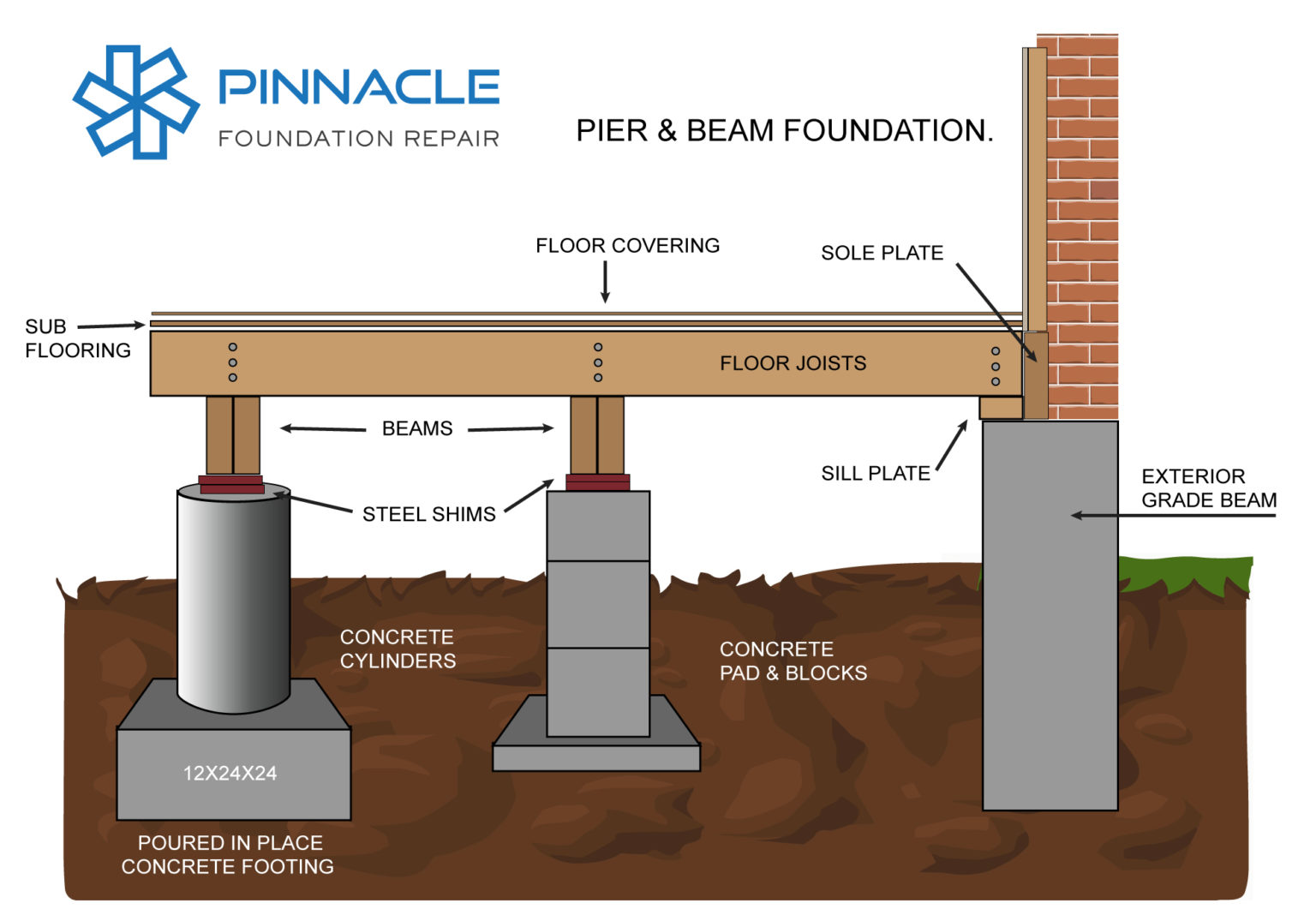
In this DecorDezine article, we shall show you the step-by-step procedure for building a pier and beam foundation. In this type of foundation, the beams are attached to the pillars to transfer the load of the structure of the building. It is a commonly used foundation, which is usually used for the construction of residential houses. The repair cost is very expensive as it needs some special equipment to lift and remodel the pier and beam structure.
Should you insulate under a pier and beam house?
Designing and Building the Home Foundation – Mother Earth News - Mother Earth News
Designing and Building the Home Foundation – Mother Earth News.
Posted: Mon, 01 Nov 1971 08:00:00 GMT [source]
Building a pier and beam foundation requires a combination of knowledge, skill, and attention to detail. Now that you understand the step-by-step process, you can confidently embark on your construction project, knowing that you have a strong and reliable foundation to build upon. With the crawl space insulated, we are now ready for the final step – adding the finishing touches to the pier and beam foundation. With the foundation holes dug, we’re ready to move on to the next step – pouring the concrete footings. A pier and beam foundation is a series of piers (usually made of concrete) that support the beams of your home. The piers are usually spaced evenly (around 4 feet apart), and the beams run perpendicular to them, creating a grid-like system.
Step 8: Insulating the Crawl Space
Most modern homes are not built using pier and beam foundations because they are more expensive than slab foundations. Pier and beam foundations differ from slab foundations because the former is elevated by nearly 24 inches off the ground, and the latter sits directly on top of the ground. You will find pier and beam foundations below many homes built before the 1960s. Adequate space for electrical and plumbing lines is available in the pier and beam foundation. Pier and beam systems form a very stable foundation for residential buildings. This type of foundation is simpler and less expensive than slab foundations.
Poor Construction
It may be necessary to remove and replace landscaping to make your home more accessible if the foundation problems are difficult to reach. On the other hand, crawl space foundation repairs are usually less expensive since crawl spaces are relatively accessible. Labor costs for pier and beam foundations can vary depending on the location and the qualifications of the contractor. On average, labor costs can account for between 20 and 40 percent of the total cost of the project. In some cases and especially in some locations, labor costs can be even higher. This is why it is important to receive multiple quotes from different contractors and to carefully review qualifications before making a decision.

The crawl space beneath pier-and-beam foundations is usually 18 inches or taller to facilitate electrical and plumbing installations. A pier and beam foundation offers some great advantages that a full basement does not afford. It forms a crawlspace under the home that provides easy access to many of the utilities in case repairs are needed. Also, a pier and beam foundation preempts the need for heavy machinery to dig a large foundation. Large concrete slabs need the labor of outside help and contractors, while a pier and beam structure can be built by one or two people. Because the structure of your house rests upon the piers and the piers are made of wood, the beams or joists can fall apart over time due to rot and mold.
Typically, heavier loads require piers with 12 inches or greater diameter. If you’d like to determine the number of piers required for your design, divide the building’s weight by the maximum weight a single pier can bear. With the pier locations determined, begin at a corner and use the post digger to dig 18x24-inch holes spaced every 36 inches. Start by locating where your piers will go along the outside of your building.
Cracked or crumbling piers require replacement, which again, is much easier to do than with other types of foundations. Piers not repaired and left to settle can shift or tilt, which can cause beams to move, leading to more structural issues. Pier and beam foundations don’t require large equipment and can be built by one or two people. Whether using precast pier blocks, poured concrete in sono tubes, or other masonry options, the aim is to create a level base upon which to build your structure. It can be customized to suit different soil types and can adapt to uneven terrain. Additionally, the open space beneath the structure, known as the crawl space, allows easy access to utilities such as plumbing and electrical systems.
You’ll also factor in the floor plan of the building it will hold and its intended function. The floor design and joist layout highlight key dimensions, structural elements, and possible plumbing issues. The soil type is an important factor to consider when building a pier and beam foundation.
Here’s a quick breakdown of the building and repair costs for pier and beam foundations. For extra support, one may choose to have a concrete slab laid at a shallower level into the foundation to act as the piers’ anchor. While the increased complexity does increase the total cost, it results in a significantly more stable structure. Before bringing any materials to the construction site, you should determine your foundation’s placement and layout. In pier and beam construction, where you’ll need numerous individual piers, precise leveling is crucial. Any inaccuracies in leveling could result in costly structural damage to the house.
Raising a house by jacking it up can cost anywhere from $500 to $8,000 depending on the size of your home and the issues involved. We use a third-party vendor to conduct a criminal records search in the county in which the business owner or principal works. Our third-party vendor uses a national criminal database ("NCD") to screen service professionals. Business owners or principals with felony arrests that carry a pending decision or who are convicted of felonies in the past 7 years ago will not be admitted to the network.
They’re typically around 4 feet tall and spaced evenly apart (8-10 feet). The beams are then placed perpendicular to the piers and can be made of wood, steel, or concrete. Mold and rot can cause wooden beams (and the joists they support) to deteriorate with time; thus, they require replacement. Alternatively, a contractor may install additional piers to effectively support and disperse your home’s weight.
Piers are typically made of sturdy concrete and should be checked for uniformity before installation. Proper spacing and alignment of the piers are crucial for the stability of the foundation. With the hole or holes dug, place 5” to 6” of gravel in the base of the hole, or gravel plus a pier pad, and then build or pour your pier.
The horizontal dimensions depend on the pier size required for the structure. Additionally, if pouring or placing a footing, pad, or gravel, the depth and hole width may need to be adjusted. When building a pier and beam foundation, make sure to properly compact the soil before pouring the concrete footings to ensure stability and prevent settling over time. Pier and beam foundations are made up of, you guessed it, a series of piers and beams.
Building a shed, cabin, home, or larger building takes a lot of planning and design work. Many people choose the design and then just pick a walled or slab foundation. It is also important to look at the ground and lay of the land upon which the structure will stand. Building a pier and beam foundation is a crucial step in the construction of various structures. This method provides stability, adaptability, and easy access to utilities. By following the step-by-step process outlined in this article, you can successfully build a strong and reliable pier and beam foundation.
Poor ventilation can lead to wood rot, mold, and mildew, as can rain or snow run-off water pooling under the structure. If left open, insects and animals may make the crawl space home, which can lead to a plethora of other issues. Pier and beam foundations are designed from the floor plan of the structure.